Isotope Harvesting
FRIB Capability
FRIB's isotope harvesting infrastructure enables the production of high-purity radionuclides for a wide range of research applications, including nuclear physics, astrophysics, materials science, biology, and nuclear medicine.
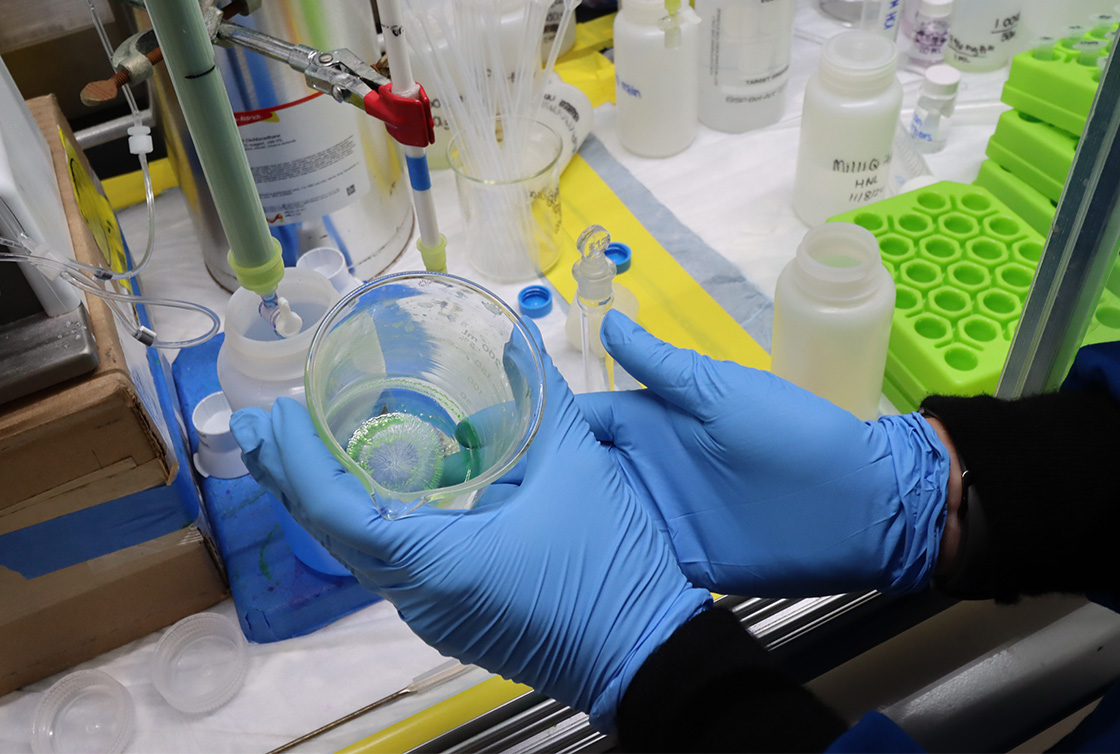
FRIB provides a capability to accelerate heavy-ion beams, from oxygen-18 to uranium-238, to energies of several hundred megaelectron Volt per nucleon (MeV/µ), producing exotic secondary beams for fundamental studies in nuclear physics. During high-power beam operations, most of the unreacted primary beams will be directed into a dedicated beam-stopping system, generating substantial quantities of by-product radionuclides. These radionuclides represent an underutilized resource with potential scientific and societal value.
To use this resource, FRIB has established its isotope harvesting infrastructure, supported by the U.S. Department of Energy Isotope Program (DOE-IP).
Isotope Harvesting Vault
Central to FRIB's isotope harvesting program is the Isotope Harvesting Vault (IHV), a dedicated radiochemistry facility designed for the safe capture, separation, purification, and distribution of high-activity radionuclides. IHV integrates customized hot cells with the water and gas systems, allowing secure handling of high-activity materials. Advanced quality assurance and control instrumentation, radiation monitoring systems, and semi-automated processing enhance operational safety, reproducibility, and efficiency.
Key functions of IHV include:
- Conducting fundamental radiochemistry research
- Harvesting radionuclides from solids, liquids, and gases
- Purifying radionuclides to meet user specifications
- Quantitatively assessing radionuclide quality
- Distributing radionuclides to off-site laboratories
This program not only provides access to valuable radionuclides for research and applications by leveraging FRIB’s capabilities but also offers a unique infrastructure for training the next generation of leaders in the field of nuclear sciences.
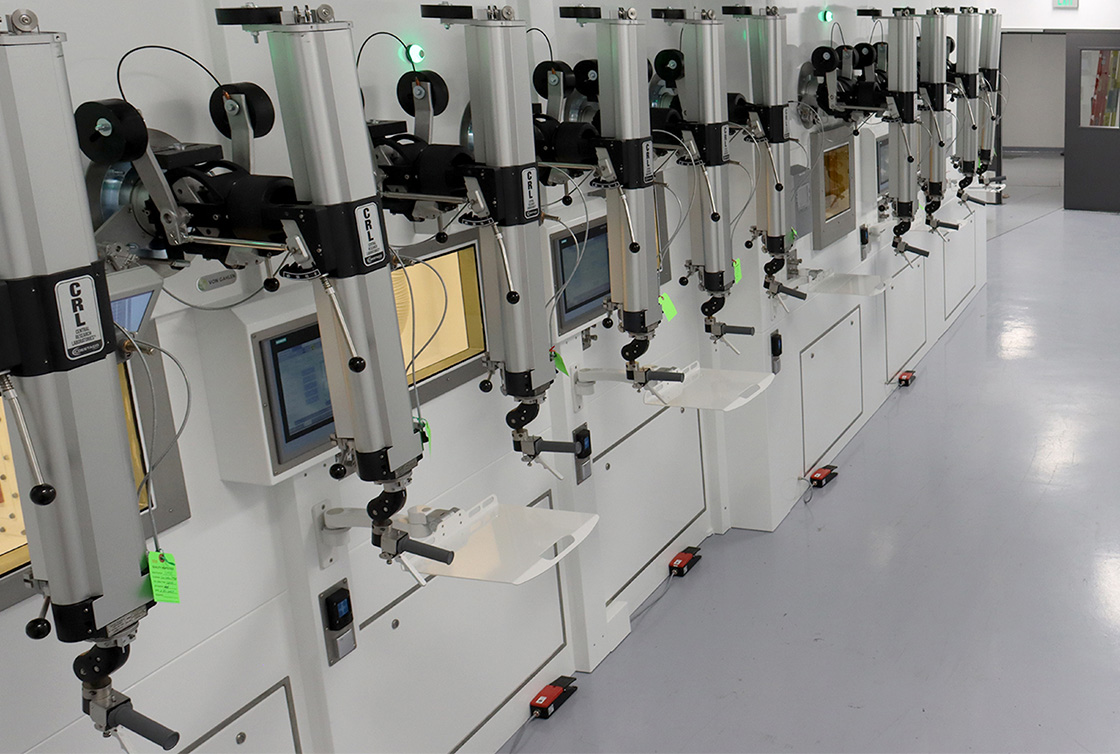
FRIB’s isotope harvesting program is a radiochemistry facility that captures radionuclides produced as by-products during FRIB’s accelerator operations without interfering with FRIB’s primary nuclear physics mission. The program allows scientists to recover and study these exotic radionuclides instead of letting them go unused.
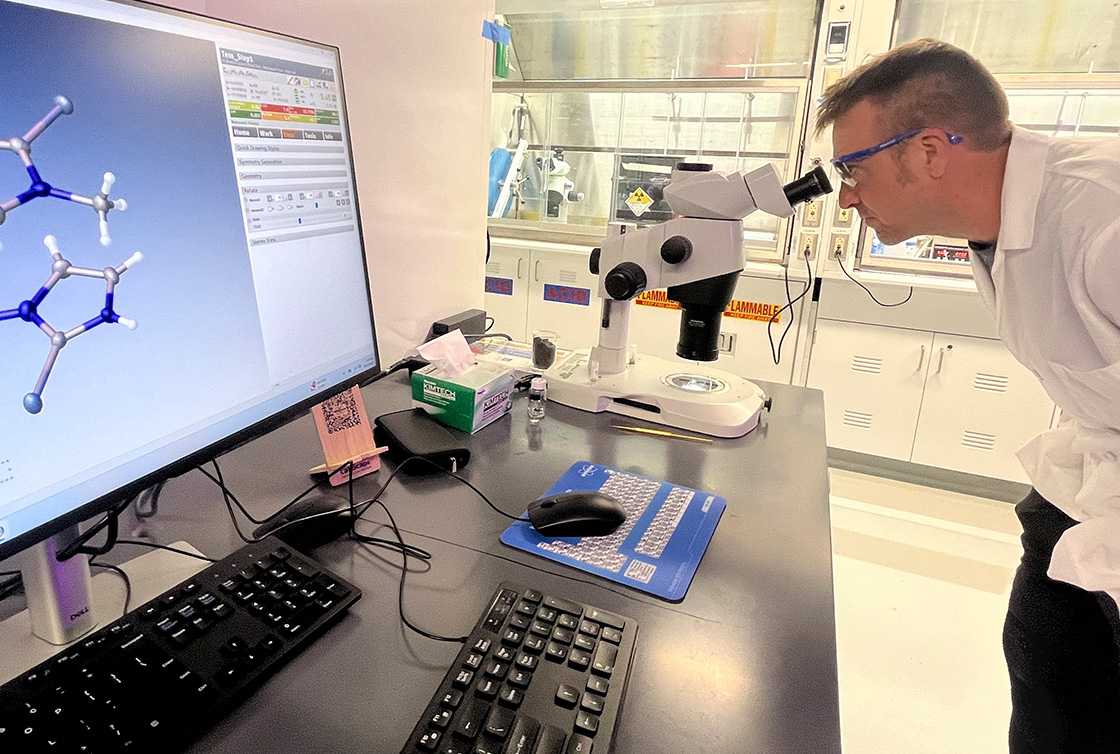
This in-house capability lets researchers safely develop and refine methods to extract and purify radionuclides, creating a unique resource with potential applications in medicine, industry, and nuclear research. By building these capabilities, FRIB is positioned to advance radionuclide science and explore innovative uses across fields such as nuclear physics, astrophysics, materials science, biology, and nuclear medicine.
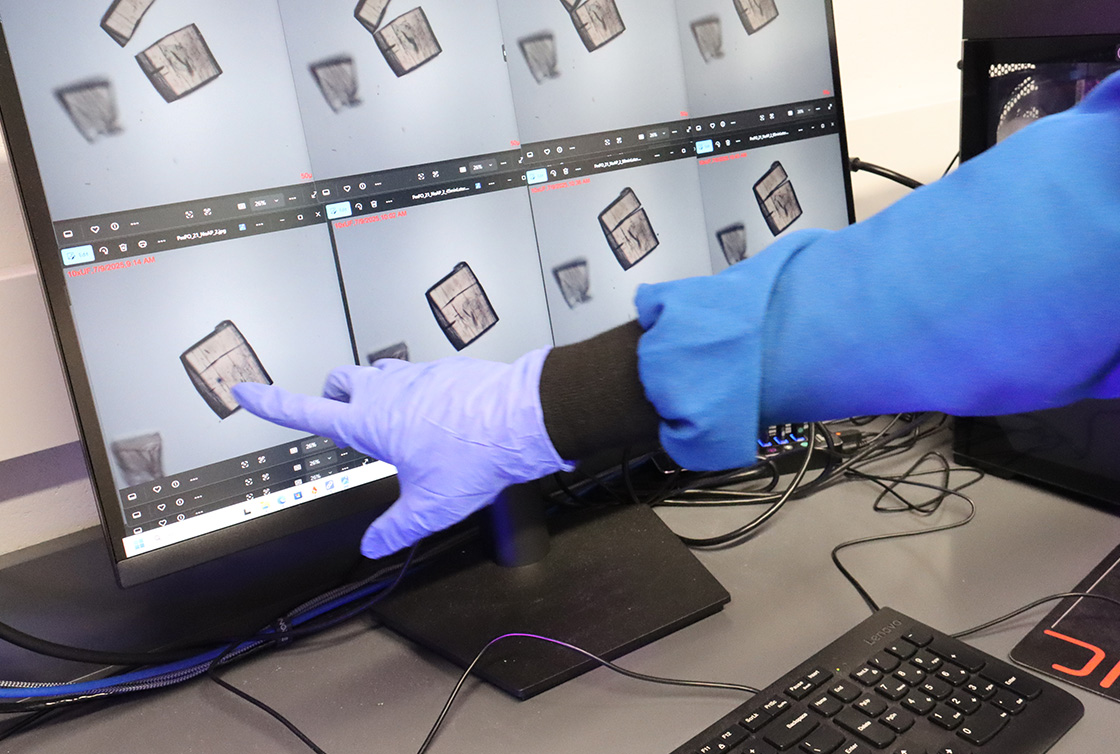
Beyond recovering unused radionuclides for an array of applications, FRIB’s isotope harvesting program provides a unique platform for fundamental research under conditions that cannot be easily recreated elsewhere. The program will generate and validate foundational data that will enable new discoveries and applications in nuclear physics, chemistry, materials science, and energy research.
Recognized and in demand
The isotope harvesting infrastructure at FRIB has generated interest from researchers both within the FRIB community and across external institutions. Beyond providing access to exotic radionuclides for specific studies and applications, this capacity also allows scientists to study scientific processes enabled by the most powerful heavy ion accelerator. The program also enables studies of heavy ion interactions with water, including their influence on radionuclide production rates, radiolysis, and the aqueous chemistry of the produced radionuclides.
This interest highlights the need for specialized facilities that can safely capture and study radioactive elements that are rare in nature and challenging to produce elsewhere. As a result, FRIB’s isotope harvesting program provides a unique resource for researchers seeking both access to rare isotopes and new insights into their production and behavior.
Building on demonstrated results
Several proof-of-concept experiments at FRIB’s predecessor, the National Superconducting Cyclotron Laboratory (NSCL), demonstrated the feasibility of harvesting radioactive by-products from solid, liquid, and gaseous media for a range of scientific studies, including fundamental nuclear science and nuclear medicine. Building on these results, FRIB's isotope harvesting program has established an integrated capability to recover by-product radionuclides generated during high-power heavy-ion beam operations. By capturing radionuclides that would otherwise remain unused, the program expands access to rare isotopes and enables experiments that were previously limited by availability. This capability supports research in nuclear science and related fields, advancing both fundamental understanding and applied studies.
At FRIB, students receive hands-on training with world-leading experts on world-unique systems, gaining critical skills and real-world experience. This training helps them win prestigious awards and contribute to a skilled workforce, lead in emerging industries, and drive national competitiveness.
Located on the campus of a top research university, the isotope harvesting program at FRIB plays an important role in workforce development, training students in the specialized and nationally scarce field of radiochemistry.
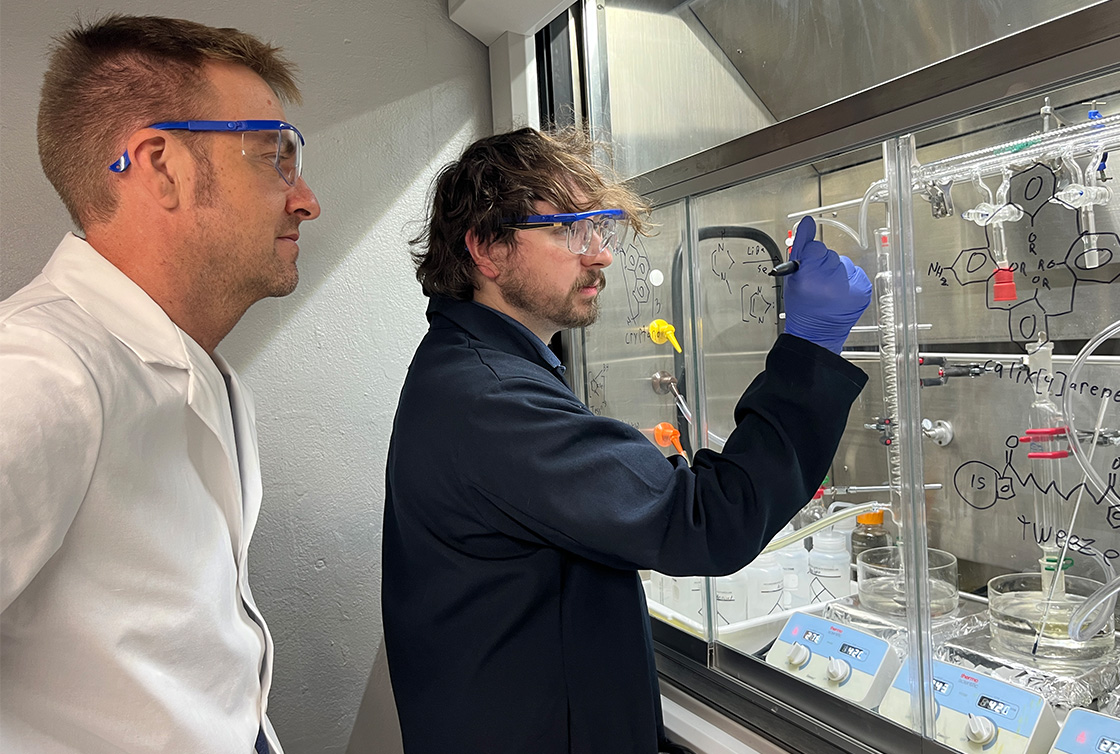
In the program, students gain hands-on experience in radionuclide production, radiochemical separations, radiation safety, and related interdisciplinary research. Program alumni have gone on to postdoctoral, scientific, and faculty positions at leading institutions, contributing to research, education, and innovation across nuclear science.
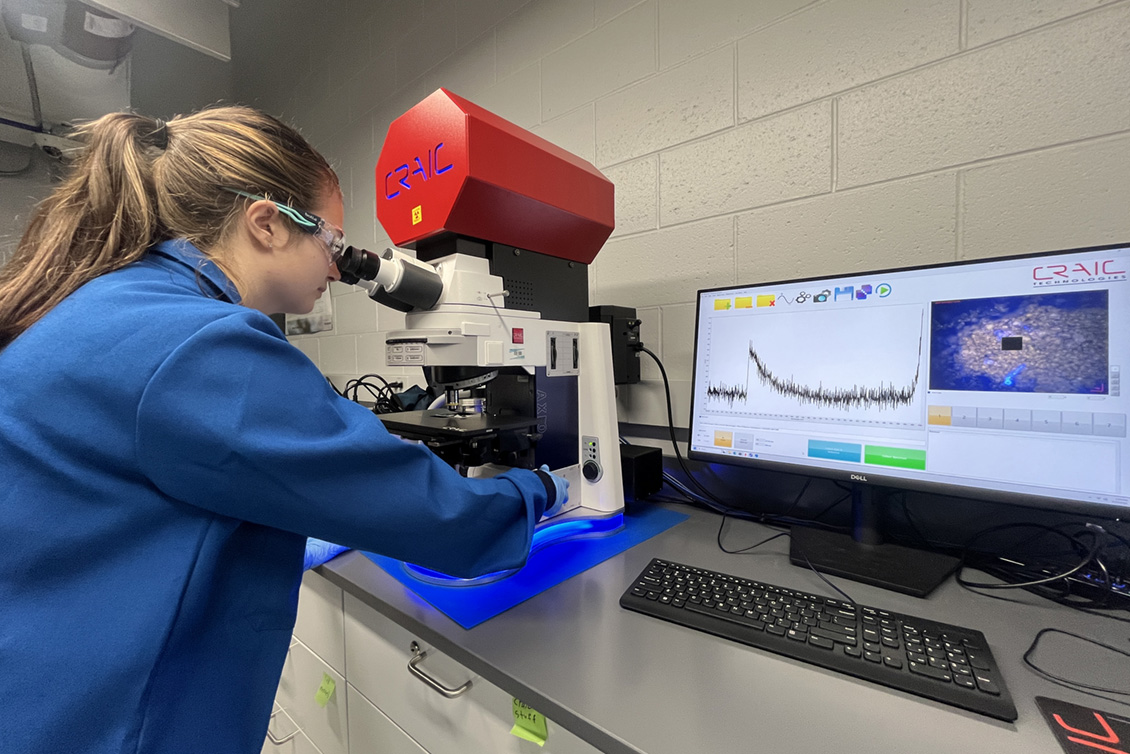
This training pipeline directly supports the missions of the U.S. Department of Energy Isotope Program (DOE-IP) by developing a skilled workforce trained to advance emerging nuclear technologies, strengthen U.S. leadership in science, and support national competitiveness.

Joined the laboratory in 2022

Joined the laboratory in 2022

Joined the laboratory in 2016
Isotope Harvesting at FRIB: Additional opportunities for scientific discovery
doi: 10.1088/1361-6471/ab26cc
Production, Collection, and Purification of 47Ca for the Generation of 47Sc through Isotope Harvesting at the National Superconducting Cyclotron Laboratory
doi: 10.1021/acsomega.0c03020
Harvesting 88Zr from heavy-ion beam irradiated tungsten at the national superconducting cyclotron laboratory
doi: 10.1016/j.apradiso.2023.110831
Harvesting krypton isotopes from the off-gas of an irradiated water target to generate 76Br and 77Br
doi: 10.1038/s41598-022-05500-8
Adsorption Studies of Dilute Krypton and Xenon from Nitrogen on SBMOF-1 and Activated Charcoal for Applications in Isotope Harvesting
doi: 10.1021/acs.jpcc.5c02812

Michigan State University received a $13 million federal grant to harvest isotopes at Facility for Rare Isotope Beams.

